HOD IVF & Infertility MAX SUPERSPECIALITY HOSPITAL Vaishali- DELHI NCR

Infertility can be emotionally exhausting for couples who have been trying to conceive for months or even years. When routine tests don’t provide clear answers, laparoscopy often becomes the next step. It is a minimally invasive procedure that helps doctors see what’s happening inside the pelvis with precision. Many specialists, including Dr Poonam Goyal, use laparoscopy to diagnose the root cause of infertility and treat certain conditions at the same time. Understanding how it works can help patients feel more confident and prepared.
Laparoscopy is a procedure performed under general anaesthesia where a thin tube with a camera is inserted through a small incision near the navel. This allows the doctor to view the uterus, fallopian tubes and ovaries clearly. Unlike ultrasound, which provides limited visuals, laparoscopy gives a direct look inside the reproductive system.
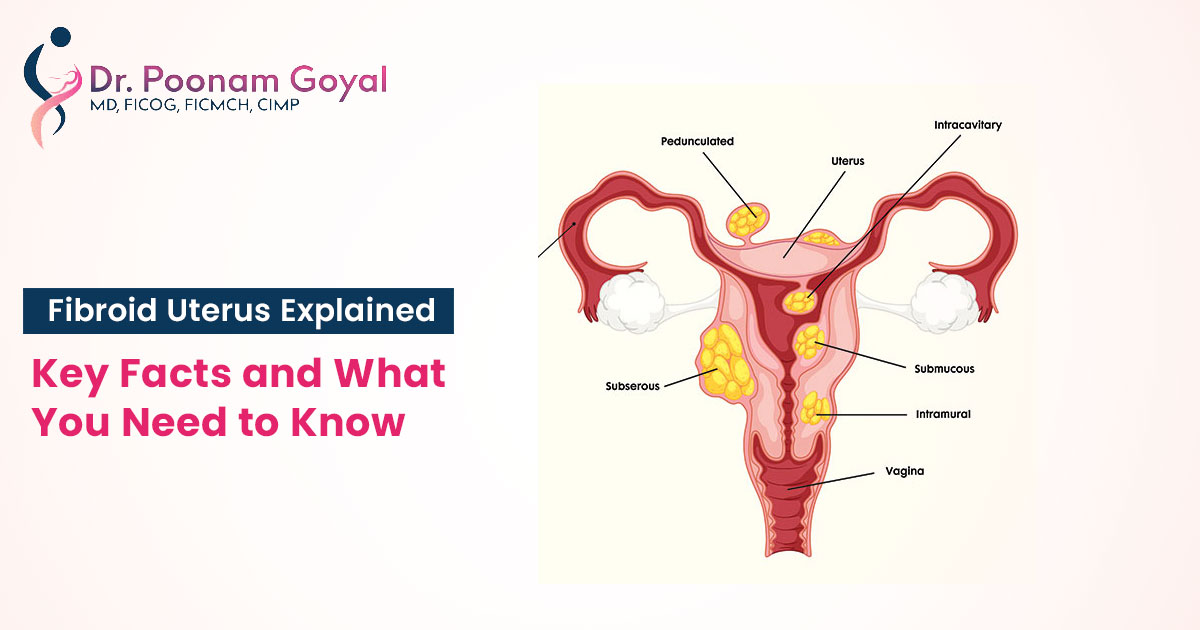
It is recommended when a couple has unexplained infertility or when conditions such as endometriosis, fibroids, ovarian cysts or blocked tubes are suspected. For many women, especially those facing long-term fertility issues, laparoscopy becomes a turning point in understanding their bodies better.
Several fertility problems remain undetected through routine scans. Laparoscopy helps uncover these silent factors:
Endometriosis: Tiny patches of endometrial tissue outside the uterus can cause pain, inflammation and difficulty conceiving. These are often missed in ultrasound but easily seen through laparoscopy.
Blocked or Damaged Fallopian Tubes: If the tubes are partially or fully blocked, natural conception becomes challenging. Laparoscopy helps identify blockages and sometimes even treat them immediately.
Pelvic Adhesions: Scar tissue from previous surgeries or infections can restrict organ movement, affecting fertility. Laparoscopy can remove these adhesions.
Abnormal Growths: Fibroids or cysts that interfere with conception can be diagnosed with accuracy.
For many patients, this clarity brings a sense of relief because they finally understand what has been standing in their way.
One of the biggest advantages of laparoscopy is that it allows both diagnosis and treatment in a single procedure. If the doctor sees endometriosis, cysts or adhesions, they can often remove or treat them right away. This reduces the need for multiple surgeries and speeds up the fertility journey.
Experienced specialists such as Dr Poonam Goyal often highlight that this “see and treat” approach improves outcomes for many patients. After treatment, couples can plan natural conception or move to assisted reproductive techniques like IUI or IVF based on the findings.
Patients usually undergo basic tests such as blood work and imaging before laparoscopy. You will be asked to fast overnight. The procedure typically takes 30 to 60 minutes, depending on what needs to be treated.
After the procedure, mild abdominal discomfort, bloating from the gas used during surgery and shoulder pain are common. Most women are able to return home the same day. Recovery usually takes a few days, and complete healing takes about a week.
Your doctor will discuss the findings and guide you about the next steps in your fertility plan. For many couples, this is the moment where the pathway to pregnancy becomes clearer.
While laparoscopy is not the first test recommended, it is often the most informative. When underlying issues are treated, the chances of a natural pregnancy increase. Some women conceive within months after the procedure. For others, laparoscopy prepares the body for better results in treatments like IVF.
Patients often feel reassured knowing that a minimally invasive, effective and safe option is available. With proper guidance and personalised care, laparoscopy becomes a powerful tool in the fertility journey.
Because laparoscopy deals with delicate reproductive organs, choosing an experienced doctor is essential. Couples often look for someone who listens, explains and supports them through the process. Specialists like Dr Poonam Goyal combine advanced skills with compassionate counselling, which helps patients feel understood and cared for.
If you or someone you know has been struggling with infertility without clear answers, laparoscopy may offer the clarity you need. With the right expertise and timely intervention, many couples move closer to the family they’ve been dreaming of.
.jpg)