HOD IVF & Infertility MAX SUPERSPECIALITY HOSPITAL Vaishali- DELHI NCR



Women’s health is not limited to pregnancy or childbirth. From the first menstrual cycle to menopause and beyond, a woman’s body keeps changing. Understanding these changes and getting the right medical guidance at the right time is essential for long-term health and confidence. A gynecologist plays a key role in helping women stay healthy, informed, and stress-free at every stage of life.
Many women delay visiting a gynecologist due to fear, hesitation, or lack of awareness. Some believe they should only visit a doctor if there is severe pain or pregnancy. In reality, regular gynecologist visits help prevent problems, detect issues early, and ensure overall reproductive wellness.
This blog explains when you should see a gynecologist, why it matters, and what to expect at every age, in a simple and easy-to-understand way.
A gynecologist is not just a doctor for pregnancy. They help women with:
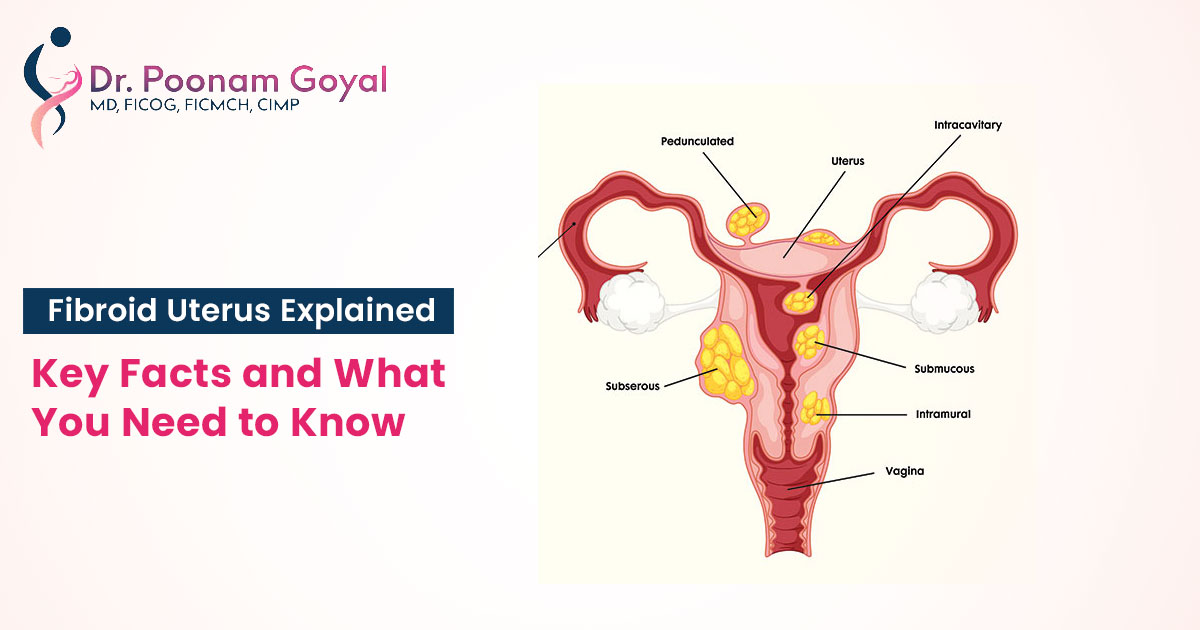
Regular visits allow early detection of conditions like PCOS, fibroids, endometriosis, cervical cancer, and hormonal disorders, many of which can be managed easily if caught on time.
The first gynecologist visit is usually recommended between 13 to 15 years of age.
This visit is mainly educational and reassuring. In most cases:
Early visits help young girls understand their bodies better and remove fear or confusion related to periods and physical changes.
Your 20s are an important phase for building a strong foundation for reproductive health.
Routine Check-ups & Pap Smear
If you are sexually active, a gynecologist can:
Painful periods, heavy bleeding, missed cycles, or extreme mood changes are not “normal”. These symptoms may indicate conditions like PCOS or endometriosis and should be evaluated early.
Gynecologist Care in Your 30s
The 30s are often associated with career growth, family planning, or pregnancy concerns.
If you are planning a pregnancy, a gynecologist can:
If pregnancy is not happening even after:
A timely fertility evaluation can help understand the cause and plan the right treatment.
After delivery, many women experience physical discomfort, hormonal changes, or emotional ups and downs. Postpartum follow-ups help manage:
In your 40s, your body begins transitioning towards menopause.
You may notice:
A gynecologist helps manage these symptoms and improves quality of life.
Regular screenings for:
are crucial in this phase, especially if there is a family history of cancer or hormonal disorders.
Menopause marks the end of menstrual cycles, but it also brings new health needs.
Common concerns include:
With proper guidance, these symptoms can be managed comfortably.
Reduced estrogen levels increase the risk of osteoporosis. Your gynecologist may advise:
Urinary leakage or discomfort during intimacy is common but treatable. You don’t need to suffer silently, help is available.
Warning Signs: When to See a Gynecologist Immediately
You should book an appointment without delay if you experience:
Early consultation can prevent complications and provide peace of mind.
A good gynecologist should offer:
Feeling heard and respected during consultations is just as important as treatment.
Most procedures are quick and done with utmost care and privacy.
To make the visit more effective:
Remember, everything discussed is confidential.
A gynecologist is a long-term health partner for every woman. Regular visits help you stay informed, confident, and healthy, not just during illness, but throughout life.
Whether you are facing period issues, planning a pregnancy, dealing with hormonal changes, or entering menopause, timely gynecological care makes a real difference.
Listening to your body and seeking expert advice at the right time is one of the best investments you can make for your health.
.jpg)