HOD IVF & Infertility MAX SUPERSPECIALITY HOSPITAL Vaishali- DELHI NCR


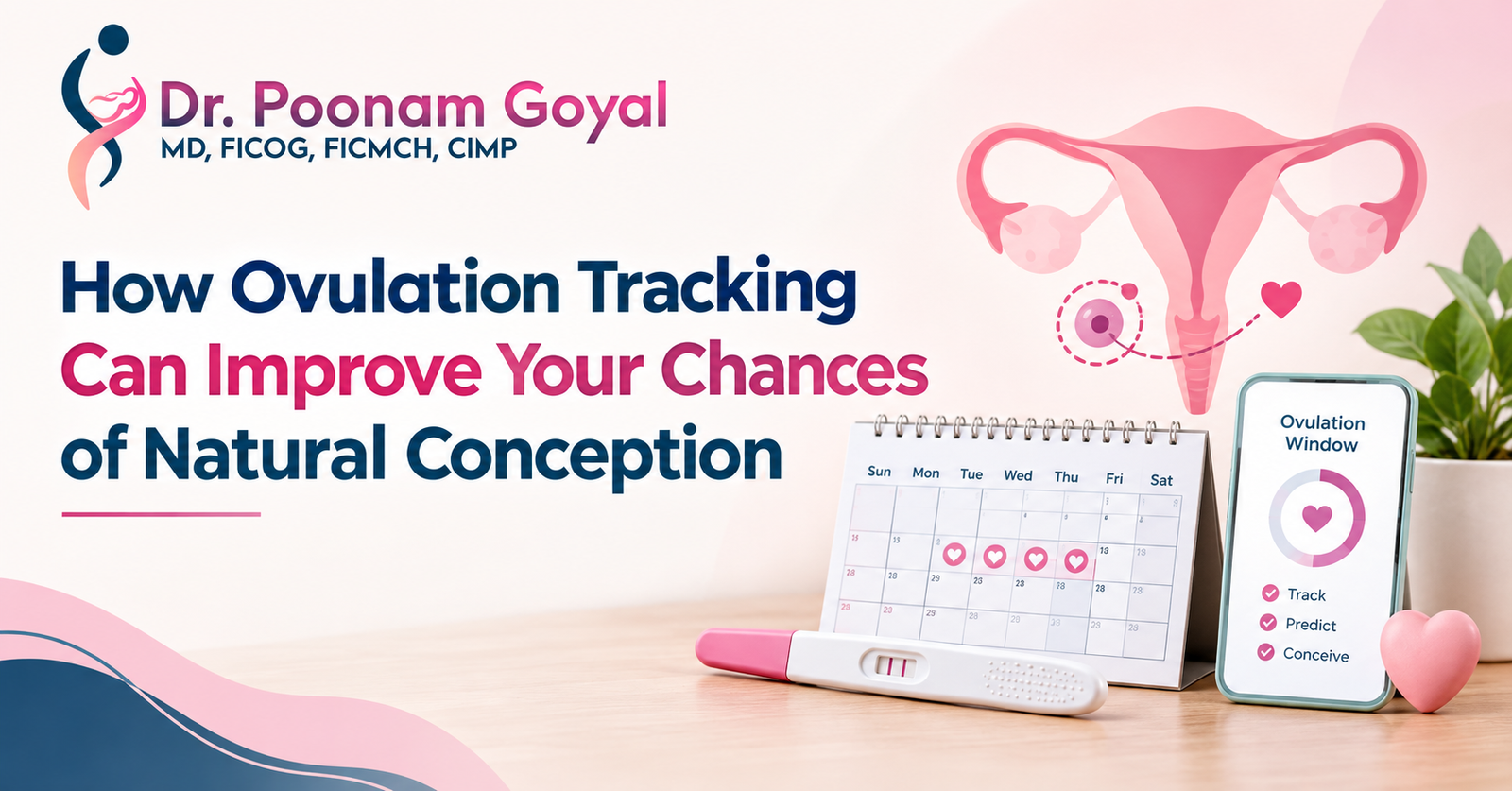
Trying to conceive can make an ordinary calendar feel surprisingly important. Day 1 of the menstrual cycle arrives. A few dates get circled. Then comes the guessing: Is ovulation happening now? Was it yesterday? Are we too early? Too late?
That uncertainty can be frustrating.
Ovulation tracking takes some of that guesswork away.
For couples trying to conceive naturally, understanding when an egg is likely to be released can help them identify the fertile window and time intercourse more effectively. It doesn't guarantee pregnancy—nothing can—but knowing your cycle better can make those attempts more informed and purposeful.
Ovulation is the release of a mature egg from an ovary. Because the egg remains available for fertilisation for only a relatively short period, while sperm can survive for several days in the female reproductive tract, conception is closely tied to timing.
This is where ovulation tracking becomes useful.
Some women notice changes in their cervical mucus around ovulation. Others use ovulation predictor kits that detect the hormonal surge associated with ovulation. Basal body temperature tracking can also provide clues about cycle patterns, although the temperature rise generally confirms that ovulation has already occurred rather than predicting it in advance.
And then there is medical monitoring.
For women who have irregular cycles, PCOS, unexplained difficulty conceiving, or simply want a clearer understanding of their reproductive health, a gynaecologist may recommend ultrasound follicular monitoring and, when appropriate, hormone testing. These methods can offer a much closer look at what the ovaries are actually doing.
Think of the fertile window as a narrow doorway rather than an entire month-long hallway.
Intercourse several days before ovulation and around the time of ovulation can provide sperm an opportunity to be present when the egg is released. Waiting until ovulation has definitely passed may mean missing the most favourable period.
That sounds simple. Real life isn't.
Stress, illness, travel, weight changes, hormonal fluctuations and naturally variable cycles can shift ovulation. A woman who usually ovulates around the same point each month may occasionally find that her body doesn't follow the calendar at all.
This is why relying solely on an app prediction can sometimes create false confidence.
For someone exploring female fertility in Delhi, a consultation with an experienced gynaecologist can be especially useful when cycles are unpredictable or conception isn't happening despite regular attempts.
Dr Poonam Goyal can assess menstrual history, cycle regularity and other relevant factors before suggesting an appropriate approach. In some cases, ultrasound monitoring can track follicular development and help identify when ovulation is approaching. That information can make natural conception attempts more precisely timed.
It also helps answer a more important question: Is ovulation occurring regularly at all?
If it isn't, simply trying harder or calculating more dates won't solve the underlying issue.
There is another benefit that often gets overlooked.
Tracking your cycle can reveal patterns. Very long cycles, unusually short cycles, missed periods or significant month-to-month variation may provide clues that deserve medical attention. Conditions affecting ovulation can sometimes be associated with hormonal or reproductive problems, and identifying those patterns early may lead to timely evaluation.
Of course, every irregular cycle doesn't mean infertility.
Bodies aren't clocks.
But persistent changes shouldn't automatically be brushed aside either.
If you've been trying to conceive without success, don't let ovulation tracking become an endless exercise in checking dates and second-guessing symptoms. Fertility depends on both partners and involves ovulation, egg and sperm factors, the reproductive tract, age and several other variables.
A proper evaluation can put the pieces together.
For women looking for guidance regarding female fertility in Delhi, consulting Dr Poonam Goyal can be a practical starting point for understanding ovulation, menstrual-cycle patterns and available fertility options.
Sometimes the first useful step isn't doing more.
It's knowing what your body is actually doing.
.jpg)