HOD IVF & Infertility MAX SUPERSPECIALITY HOSPITAL Vaishali- DELHI NCR


Pregnancy begins long before a baby bump appears.
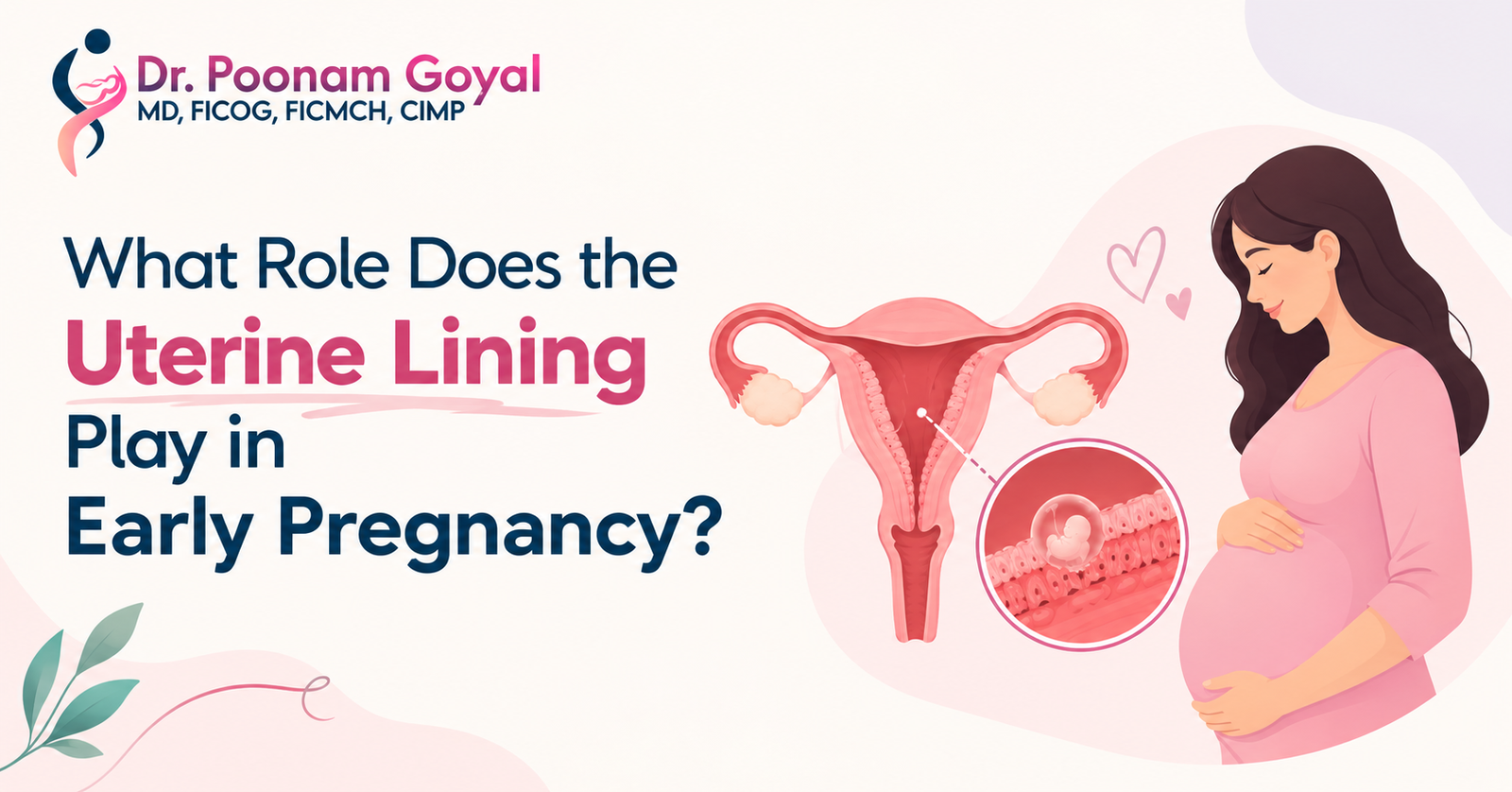
There is a tiny moment when an embryo needs to find the right place to settle inside the uterus. The uterine lining—also called the endometrium—plays a surprisingly important role here. If you’re trying to conceive, understanding this lining can help explain why doctors pay so much attention to it during fertility treatment.
So, what exactly does it do?
The uterine lining changes throughout the menstrual cycle under the influence of hormones. After ovulation, progesterone helps prepare the endometrium for a possible pregnancy. It becomes thicker, softer and richer in blood vessels, creating an environment where an embryo can potentially implant and begin its journey.
Think of it as preparing a room before an important guest arrives. The room needs to be ready at the right time—not simply bigger, but properly prepared.
After fertilisation, the developing embryo eventually reaches the uterus and needs to attach to the endometrium. This process is known as implantation.
Timing matters.
The lining has what doctors often describe as a receptive phase, during which conditions are more favourable for implantation. If the endometrium isn't developing appropriately, or if its development isn't synchronised with the embryo, implantation may become more difficult.
That doesn't automatically mean pregnancy can't happen. Far from it. Fertility is rarely a one-factor equation.
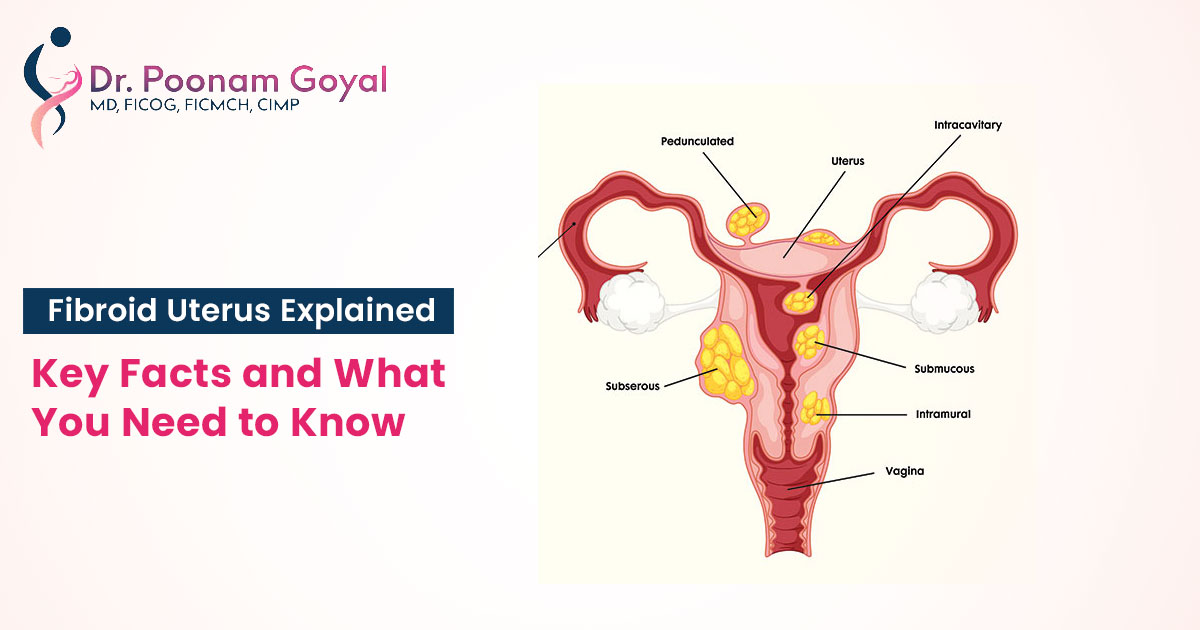
Several things can influence implantation, including embryo quality, hormonal balance, uterine health and the presence of conditions such as fibroids, polyps or certain forms of endometriosis.
It can be an important part of fertility assessment, particularly during treatments such as IVF.
During an ultrasound, a fertility specialist can measure the thickness and appearance of the endometrium. Doctors don't simply look at one number and declare everything perfect or problematic. The broader picture matters—cycle timing, hormonal levels, uterine structure and the individual patient's history all have a place in the assessment.
This is why two women with the same endometrial measurement may receive completely different advice.
One may need no intervention at all. Another may require further investigation.
Once the embryo successfully implants, the uterine lining doesn't just sit there and wait.
It becomes part of the early pregnancy environment.
The developing placenta gradually takes over the job of supporting the pregnancy, while hormonal changes help maintain the endometrium and prevent the menstrual cycle from restarting. The lining therefore provides early support while the placenta develops and establishes the connection needed to nourish the growing pregnancy.
Small changes. Big consequences.
If you've been trying to conceive without success, repeatedly experienced implantation problems, or have been advised that your uterine lining needs evaluation, speaking with a fertility specialist can help clarify what is actually happening.
Dr Poonam Goyal focuses on personalised fertility and gynaecological care, helping women understand their reproductive health rather than simply treating a single test result.
For women searching for Best female infertility in Delhi, the right consultation should involve a proper assessment of the individual situation—not assumptions based on one ultrasound measurement.
The uterine lining is only one piece of the fertility puzzle.
But it's an important one.
And sometimes, understanding that one piece makes the rest of the picture much clearer.
.jpg)