HOD IVF & Infertility MAX SUPERSPECIALITY HOSPITAL Vaishali- DELHI NCR


IUI sounds simple on paper. But the timing matters. A lot.
One of the most important steps in an IUI cycle can be the trigger injection. It is usually given when the developing follicle is ready, helping doctors time ovulation more precisely so that the insemination can be planned around it. In fertility treatment, even a difference of a few hours can matter—which is why your doctor doesn't simply say, “Come tomorrow,” and leave it at that.
So, what exactly does this injection do?
A trigger injection is a medicine used to encourage the final maturation of the egg and trigger ovulation. In many IUI cycles, a medicine similar to the natural luteinising hormone (LH) surge is used for this purpose.
Before giving the injection, the doctor monitors follicular development through ultrasound. Once a leading follicle reaches an appropriate stage of development, the trigger may be recommended.
Think of it as setting the clock.
The injection doesn't create a mature egg out of nowhere. Rather, it helps coordinate the final steps of the ovulation process so that the fertility team can better estimate when ovulation is likely to occur.
Timing is the heart of IUI.
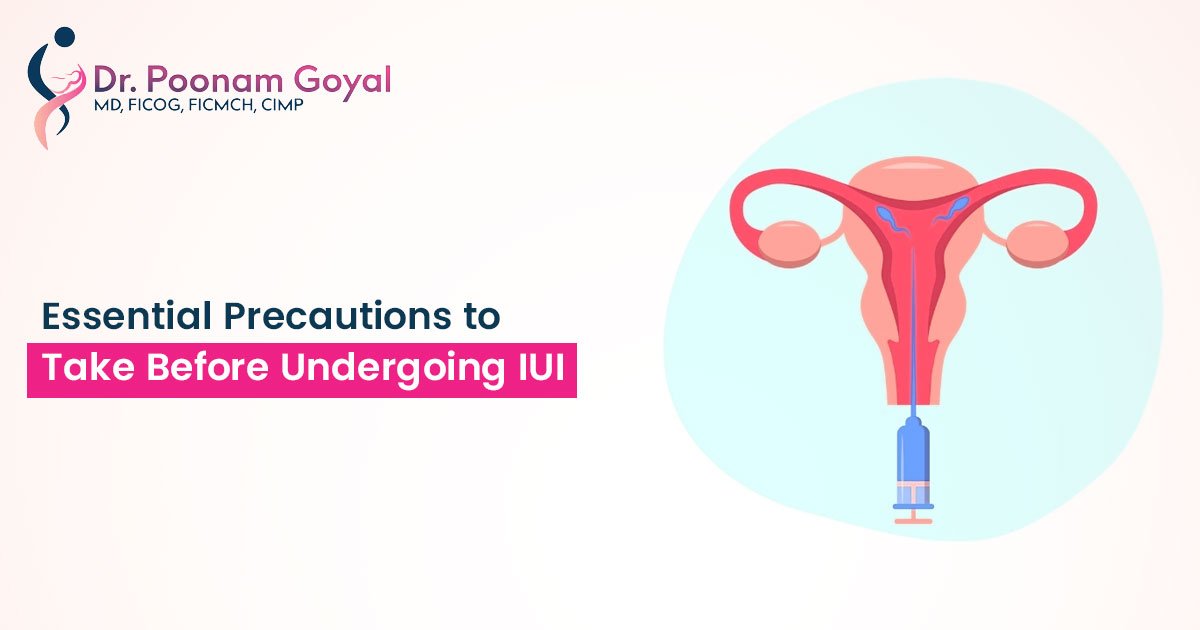
During IUI, prepared sperm are placed directly inside the uterus around the time of ovulation. The goal is to bring the sperm closer to the fallopian tubes when an egg is available for fertilisation.
Without carefully tracking ovulation, the timing can become less predictable. The trigger injection gives the fertility specialist a more controlled point around which the IUI procedure can be scheduled.
That can make the treatment process much more organised.
For couples undergoing IUI Treatment in Delhi, this monitoring-and-timing approach is often an important part of an individualised treatment plan. Not every woman needs exactly the same medicines or the same timing, which is why treatment should be based on follicle size, hormone levels when required, previous cycles and the overall fertility picture.
After the injection, ovulation generally occurs within a predictable window, although the exact timing can vary.
Your doctor will tell you when to have the IUI based on your treatment protocol and monitoring results. You may also be advised about medicines to continue, activity, and when to take a pregnancy test.
And no, feeling different immediately after the injection doesn't necessarily mean anything has worked—or hasn't worked. Fertility treatment can make people analyse every little sensation. A twinge becomes a Google search. A headache becomes a theory.
Try not to read too much into symptoms.
Not necessarily.
Some women may ovulate naturally and may not require a trigger, while others may benefit from ovulation induction and carefully timed triggering. The decision depends on the individual treatment plan.
This is where choosing an experienced fertility specialist matters. A good IUI plan isn't about following a fixed recipe; it is about understanding what is happening in your particular cycle.
If you are considering IUI, consulting Dr Poonam Goyal can help you understand whether trigger injection, ovulation medicines or other fertility support may be appropriate for you.
For couples searching for the Best IUI Centre in Delhi, the focus should ultimately be on personalised care, proper monitoring and clear communication—not just a name on a signboard.
Because fertility treatment isn't one-size-fits-all.
Your cycle deserves a plan built around you.
.jpg)