HOD IVF & Infertility MAX SUPERSPECIALITY HOSPITAL Vaishali- DELHI NCR


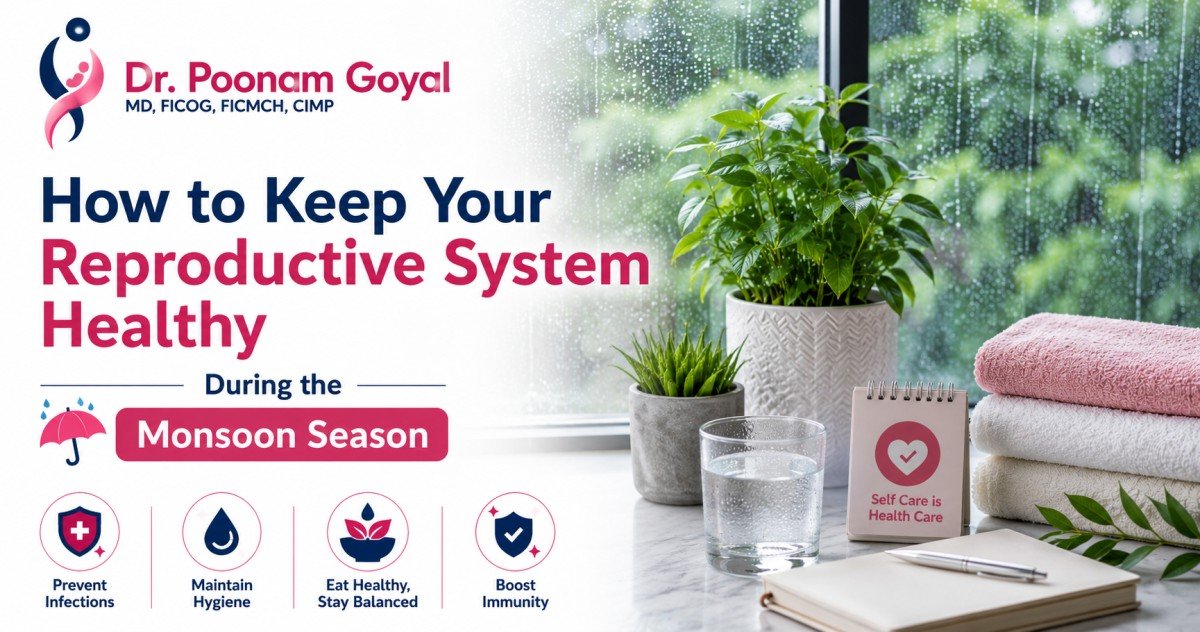
Rain feels like relief after weeks of heat. The air cools down, streets smell of wet earth, and suddenly everyone wants chai by the window. But your body doesn't always enjoy the monsoon quite as much.
Warmth, humidity, damp clothing, sweat, and occasional poor hygiene create conditions where bacteria and fungi can multiply more easily. For women, this can sometimes mean vaginal irritation, unusual discharge, urinary tract infections, or other reproductive health concerns. So, while you're busy enjoying the rain, don't forget about the parts of your body that quietly need attention too.
Humidity is the troublemaker here.
When the air stays damp, moisture can linger around the genital area, especially after sweating or wearing wet clothes for too long. That warm, moist environment may encourage the growth of microorganisms. Add a pair of damp leggings worn after getting caught in the rain and you've got a pretty uncomfortable situation waiting to happen.
Poorly maintained public toilets, contaminated water, and delayed changes of sanitary products can add to the problem.
And yes, something as ordinary as sitting around in wet clothes after reaching home can make a difference.
This sounds almost too simple. It isn't.
After bathing, swimming, exercising, or getting drenched in the rain, gently dry the external genital area before putting on fresh underwear. Choose breathable cotton underwear and avoid extremely tight clothing for long periods, particularly on humid days when sweat doesn't evaporate quickly.
Think of it this way: your skin needs air. Give it some.
Avoid repeatedly using strongly fragranced intimate washes, deodorants, or scented products around the vagina. The vagina has its own natural environment, and aggressively trying to "clean" it can actually disturb that balance.
Vaginal discharge isn't automatically a sign of infection. Normal discharge can vary throughout the menstrual cycle.
But a sudden change deserves attention.
If you notice a strong or unpleasant odour, itching, burning, unusual colour or texture, pelvic discomfort, or pain while urinating, don't simply blame the monsoon and wait for it to disappear. These symptoms can have different causes, and guessing the treatment based on something you read online can sometimes make matters worse.
A proper examination helps identify the actual cause.
Monsoon routines can get messy. Long commutes, fewer toilet breaks, inadequate hydration, and questionable sanitation can all contribute to urinary discomfort.
Drink enough water throughout the day. Don't routinely hold your urine for hours because you're stuck in traffic or avoiding a public washroom. After using the toilet, maintain good hygiene and wipe from front to back.
If burning urination, frequent urination, lower abdominal discomfort, or other urinary symptoms appear, get medical advice rather than repeatedly reaching for leftover medication.
Caught in the rain?
Fine. Happens to everyone.
But once you're home, change out of wet underwear, trousers, or gym clothes as soon as practical and take a shower if you've been exposed to dirty rainwater. Leaving damp fabric pressed against the skin for hours isn't exactly doing your reproductive health any favours.
This becomes particularly important during menstruation, when hygiene already requires a little extra attention.
Rainy weather doesn't change the basic rules of period hygiene.
Change sanitary pads regularly, wash your hands before and after changing menstrual products, and store reusable menstrual products properly after cleaning them. If you're using tampons or menstrual cups, follow the manufacturer's instructions regarding changing, cleaning, and usage duration.
Don't improvise.
A busy monsoon day isn't a reason to keep one pad on from the morning commute until dinner.
Reproductive health doesn't exist in isolation. Your overall health matters too.
A balanced diet, adequate sleep, regular physical activity, hydration, and sensible stress management support general wellbeing and can help you maintain healthy routines even when the weather disrupts your usual schedule.
And if you're planning a pregnancy, already pregnant, or dealing with repeated infections, don't rely solely on seasonal tips. Your needs may be different.
One episode of mild irritation may settle, but persistent or recurring symptoms shouldn't become your new normal. Repeated vaginal infections, unusual bleeding, pelvic pain, painful intercourse, persistent discharge, urinary symptoms, or concerns about fertility deserve proper medical evaluation.
That's where an experienced gynaecologist can help separate a minor seasonal nuisance from a problem that needs treatment.
Dr Poonam Goyal provides comprehensive gynaecological and fertility care, with an emphasis on understanding the individual rather than treating every symptom with the same checklist.
The monsoon should be enjoyed. Absolutely.
Just don't let the rain become an excuse to ignore your body's warning signs. A few sensible habits—staying dry, maintaining menstrual hygiene, drinking enough water, wearing breathable clothing, and seeking medical advice when something feels genuinely different—can go a surprisingly long way towards keeping your reproductive health on track.
.jpg)