HOD IVF & Infertility MAX SUPERSPECIALITY HOSPITAL Vaishali- DELHI NCR


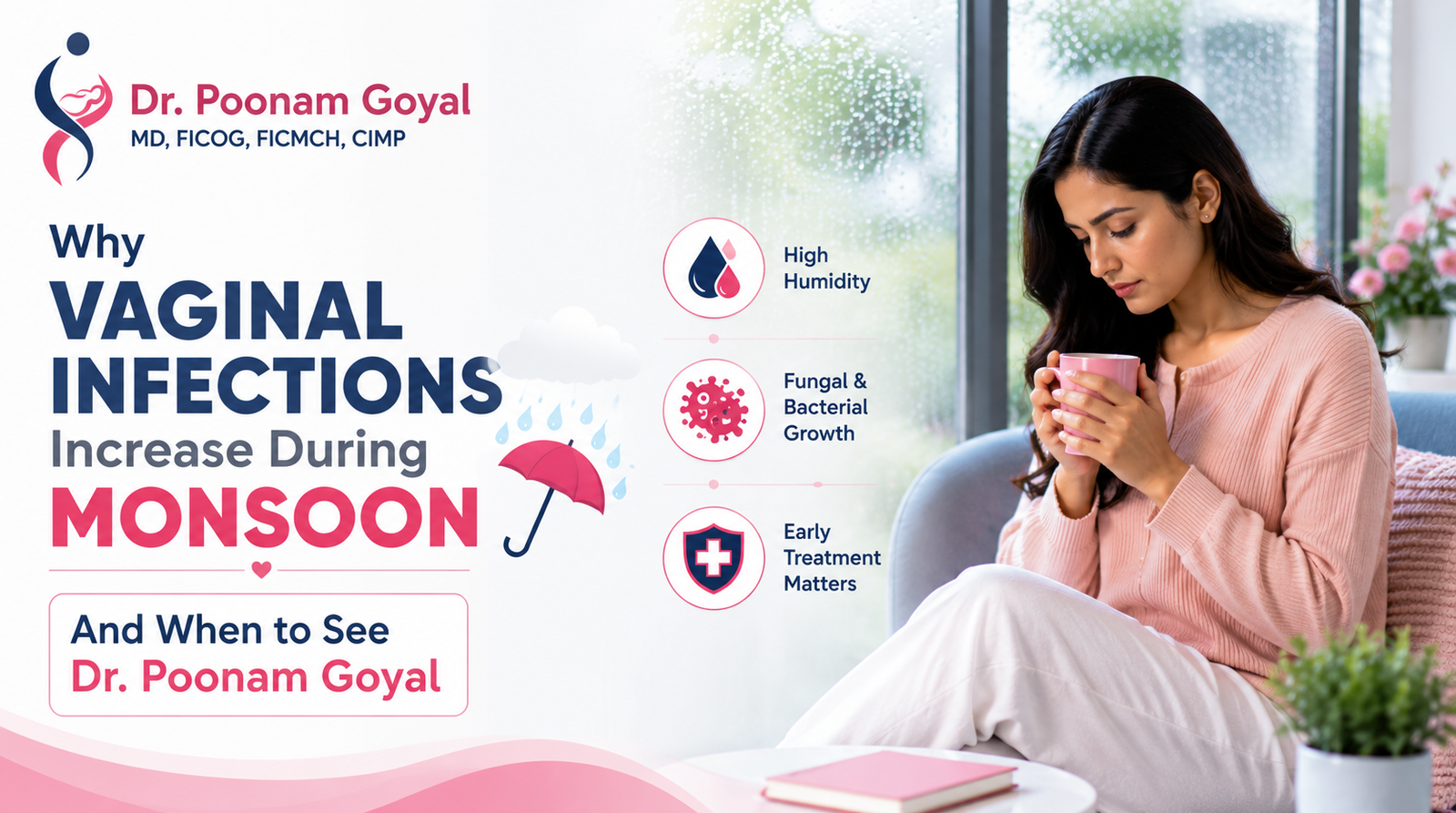
Rain feels refreshing. The weather cools down. Everything looks greener.
Your body, though, doesn't always enjoy the season as much as your eyes do.
Monsoon quietly creates the perfect setting for vaginal infections. Humidity hangs in the air, clothes take forever to dry, sweat lingers where it shouldn't, and suddenly something feels...off. Maybe it's the itching that refuses to stop. Maybe an unusual discharge. Maybe that unmistakable burning sensation that makes sitting through a meeting surprisingly uncomfortable.
Sound familiar?
The truth is, monsoon doesn't cause vaginal infections, but it certainly makes life easier for the bacteria and fungi already waiting for the right opportunity. Think of it like leaving bread in a warm, damp kitchen. You wouldn't expect it to stay fresh for long. The intimate area reacts in much the same way when moisture gets trapped for hours.
This is exactly why Dr Poonam Goyal, one of the most trusted names in women's healthcare, often advises women not to ignore even the smallest changes during the rainy season. A little discomfort today can become a stubborn infection tomorrow.
Let's talk about why.
Humidity is the biggest culprit. It sounds harmless enough, but prolonged dampness changes the natural balance of the vaginal environment. Good bacteria—which normally protect against infections—can decrease, allowing yeast and harmful bacteria to multiply much faster than usual. Add synthetic clothing, tight jeans, sweaty gym leggings, or staying in wet clothes after getting caught in the rain, and you've unintentionally rolled out the welcome mat for infection.
Simple.
Common.
Preventable.
Yet many women brush it aside because they're embarrassed or convinced it'll disappear on its own—which sometimes happens, but often doesn't, especially when an untreated fungal infection begins affecting daily comfort, sleep, and even intimacy.
Yeast infections become particularly common during the monsoon. They usually announce themselves with intense itching, redness, irritation, and a thick white discharge. Bacterial vaginosis behaves differently. It may cause a thin greyish discharge accompanied by a strong fishy odour, particularly after intercourse. Then there are urinary tract infections, another rainy-season nuisance, bringing burning while urinating, pelvic discomfort, and that constant feeling of needing to rush to the washroom even when there's hardly anything there.
Not pleasant.
Ignoring these symptoms isn't a badge of toughness. It's a gamble.
Look, the internet is overflowing with home remedies. Coconut oil. Baking soda. Garlic. Yogurt. Vinegar washes. Someone's aunt swears by one of them. Someone else's neighbour insists on another. But here's the thing—without knowing whether the infection is fungal, bacterial, parasitic, or related to another medical condition, self-treatment becomes little more than guesswork.
Sometimes it even makes the problem worse.
Good intimate hygiene helps, but balance matters. Excessive washing with scented soaps, antiseptics, or perfumed intimate washes strips away healthy bacteria. Ironically, trying too hard to stay "clean" can disturb the vagina's natural protective environment. Warm water, breathable cotton underwear, changing out of damp clothes quickly, maintaining hydration, and managing blood sugar if you're diabetic usually go much further than expensive products lining supermarket shelves.
Funny how the simplest habits often work best.
Still, there are moments when waiting simply isn't wise.
Persistent itching lasting more than two or three days deserves medical attention. So does foul-smelling discharge, pain during intercourse, recurring infections, unexplained bleeding, fever, severe pelvic pain, or symptoms that keep returning every monsoon. Pregnancy changes the equation as well. Even mild vaginal infections during pregnancy should never be ignored because they may affect both maternal comfort and pregnancy outcomes if left untreated.
Which brings us to the real problem.
Many women postpone seeing a specialist because they're busy, hesitant, or convinced they'll "manage somehow." Weeks pass. The infection deepens. Treatment becomes longer than it needs to be in the first place.
That's why consulting an experienced gynaecologist early makes all the difference.
Dr Poonam Goyal believes that women's health deserves timely attention rather than silent endurance. With decades of experience in obstetrics, gynaecology, infertility management, and women's wellness, she focuses on identifying the exact cause of symptoms before recommending personalised treatment. Every woman is different. Every infection isn't the same. The solution shouldn't be either.
Relief starts with the right diagnosis.
So this monsoon, enjoy the rain. Drink your chai. Take the long drive if you like. Dance when the first shower arrives.
Just don't ignore what your body is trying to tell you.
If unusual itching, discharge, irritation, burning, or recurring vaginal infections become part of your rainy-season routine, don't wait for them to settle on their own. A timely consultation with Dr Poonam Goyal can help identify the underlying cause, provide effective treatment, and protect your intimate health before a small problem turns into something much more difficult to manage.
.jpg)