HOD IVF & Infertility MAX SUPERSPECIALITY HOSPITAL Vaishali- DELHI NCR


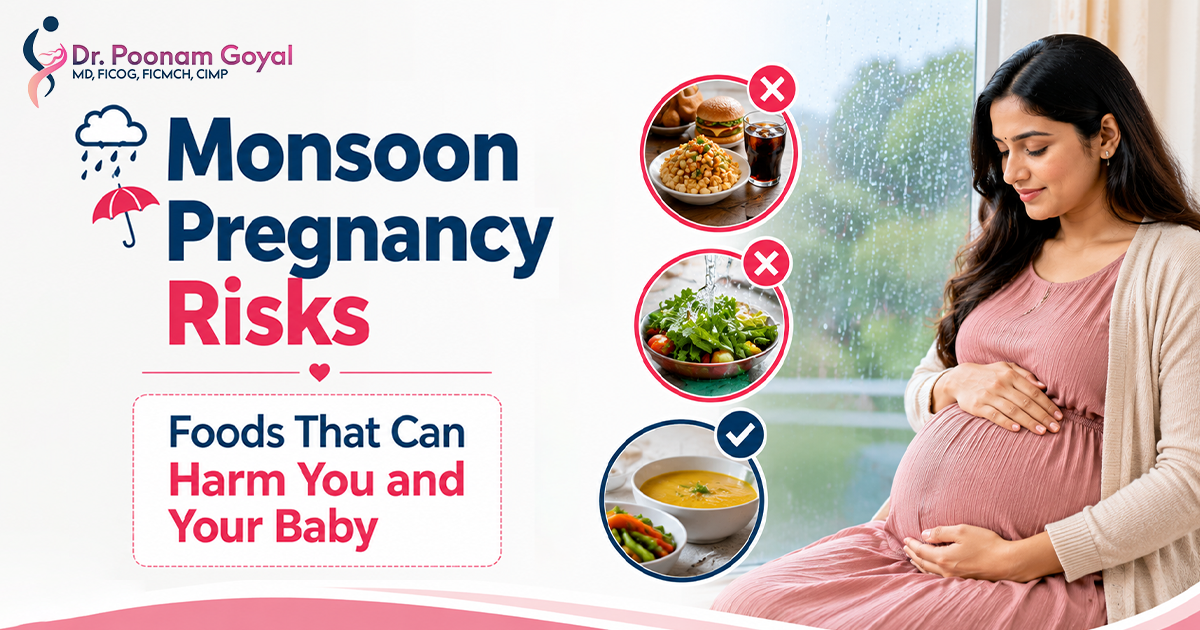
The season of monsoons not only provides respite from the scorching heat of summers but also brings with it the risks of infections, contamination, and digestion problems. Since even the smallest of health concerns can impact both the expectant mother and the growing fetus, it has become crucial to be more careful about one's diet during this period.
However, many expectant mothers are unaware of their choices which may cause infections or weakness of the body leading to various problems. As stated by Dr. Poonam Goyal, maintaining a safe diet in this period will go a long way in avoiding complications and contributing to proper growth.
Monsoon humidity and moisture levels are ideal for bacterial, viral, and fungal growth. Expectant mothers have compromised immune systems and digestive problems, so they become more susceptible to infections.
Some pregnancy risks that can occur due to the monsoon are:
Such complications might hinder nutritional intake in pregnant mothers. That is why healthcare practitioners always recommend being cautious about diet safety during monsoon.
1. Street Food and Open Food Items
Street food might appear appealing during rainfall, but it can be dangerous because street food items come into contact with contaminated water and lack proper hygiene. Chat, golgappas, cut fruits, and roadside drinks can cause stomach diseases.
Pregnant women are advised to opt for fresh and cooked food at home rather than open street food.
2. Unwashed Leafy Vegetables
Green leafy vegetables are beneficial; however, during the monsoon, they might be full of mud, pests, and germs. Spinach, cabbage, and lettuce can serve as bacterial incubators if washed inadequately.
Prevent Monsoon Pregnancy Hazards:
Fish, chicken, or meat exposed to damp air tends to spoil quickly. Consumption of raw or uncooked meat may result in bacterial infections, which might affect both the mother and the fetus.
Remember to always make sure that:
As recommended by Dr Poonam Goyal, expectant mothers should eat protein-based foods from reliable sources during the monsoon season.
Milk products can become contaminated quickly during humid weather. Unpasteurized milk and soft cheese may contain harmful bacteria like Listeria, which can be dangerous during pregnancy.
Choose:
Many families store cooked food for long hours, especially during busy days. However, monsoon weather speeds up bacterial growth even in refrigerated food.
Avoid:
Fresh meals are always the safer option during pregnancy.
Instead of focusing only on restrictions, pregnant women should include immunity-supporting foods in their diet.
Drinking enough clean water is equally important to prevent dehydration and infections.
Here are a few simple habits that can help protect both mother and baby:
Hot cooked meals are safer than raw or cold foods during monsoon.
Heavy foods may worsen acidity, bloating, and digestive issues during pregnancy.
Each pregnancy is unique. Routine visits will help detect any nutrient deficiencies or health problems at an early stage. Dr. Poonam Goyal suggests that expectant mothers receive customized diet advice depending on their health status and trimester requirements.
The monsoon can be such a pleasant season; however, there are quite a few health problems that arise in case you are pregnant. Learning about Monsoon Pregnancy Problems and following safe diets are essential to ensure that your baby is not exposed to any infections. Just by making simple dietary choices, you can safeguard yourself and your baby against many health problems.
To get all the information regarding your pregnancy and to follow a healthy diet plan, one must consult qualified experts like https://www.drpoonamgoyal.in/.
.jpg)