HOD IVF & Infertility MAX SUPERSPECIALITY HOSPITAL Vaishali- DELHI NCR

Turning 30 brings changes. Your priorities shift. And your body starts asking for a little more attention than it used to.
Between demanding work schedules, family responsibilities, pregnancy planning, and everyday stress, women often put their own health at the bottom of the list. A missed appointment doesn't seem like a big deal. Neither does an irregular period or persistent fatigue. But these small signs can sometimes point towards health concerns that deserve attention.
Regular gynaecological check-ups can help identify potential problems early, support reproductive health, and make it easier to manage changes that come with age. If you're wondering which tests matter most, here's where to begin.
Start with the basics. A routine gynaecological examination gives your doctor an opportunity to discuss your menstrual cycle, reproductive health, sexual health, and any symptoms you've noticed.
Your doctor may recommend a pelvic examination depending on your symptoms, medical history, and individual risk factors. There's no need to wait until something feels wrong before booking an appointment.
Consulting an experienced specialist, such as Dr Poonam Goyal, can help you understand which examinations are appropriate for your age and health history.
Cervical cancer often develops gradually, and early changes may not cause noticeable symptoms. That's precisely why screening matters.
Depending on your age, previous screening results, and local medical guidelines, your gynaecologist may recommend an HPV test, a Pap test, or an appropriate combination of screening methods. These tests help identify high-risk HPV infections or abnormal cervical cells that may require follow-up.
Don't assume that the absence of pain or unusual bleeding means everything is fine. Screening is designed to detect certain problems before symptoms appear.
Breast health deserves attention well before menopause. Get familiar with how your breasts normally look and feel, and report any new lump, nipple discharge, skin changes, or persistent discomfort to your doctor.
Your doctor can assess your personal risk factors, including family history, and advise whether a clinical examination or mammogram is appropriate. Routine mammography recommendations vary by country and individual risk, so screening schedules should be discussed with a healthcare professional.
The important thing is not to ignore a change simply because you're relatively young.
Periods can reveal a surprising amount about your health.
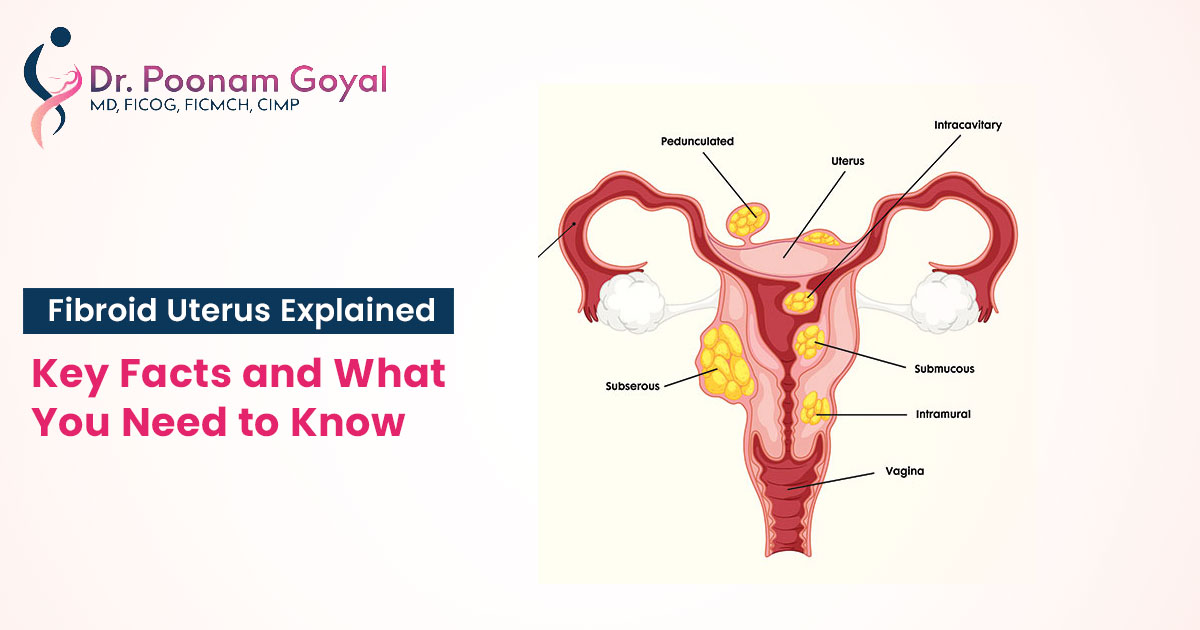
Heavy bleeding, cycles that suddenly become irregular, severe cramps, or bleeding between periods shouldn't automatically be dismissed as stress. Conditions such as PCOS, thyroid disorders, uterine fibroids, and endometriosis can contribute to menstrual changes.
Your gynaecologist may recommend blood tests, a thyroid assessment, or a pelvic ultrasound based on your symptoms. Hormone testing isn't necessary for every woman, though; the right investigations depend on what's happening and why.
Pay attention to patterns. Your body often gives clues before a problem becomes difficult to manage.
Gynaecological health doesn't exist in isolation. Metabolic conditions can affect fertility, menstrual regularity, pregnancy outcomes, and long-term wellbeing.
Depending on your medical history and risk factors, your doctor may suggest blood glucose or HbA1c testing, a thyroid function test, or a cholesterol assessment. Women with PCOS, a family history of diabetes, unexplained weight changes, or other relevant risk factors may need more targeted evaluation.
These aren't mandatory annual tests for every woman over 30. Think of them as personalised health checks rather than a one-size-fits-all package.
Thinking about having a baby? It's worth discussing your plans early, even if pregnancy isn't on the immediate horizon.
Fertility gradually changes with age, and the decline becomes more significant during the later reproductive years. A consultation can help you review menstrual patterns, previous pregnancies, medical conditions, medications, and any known fertility concerns.
If you're experiencing difficulty conceiving, your doctor may recommend investigations for both partners. Tests such as ovarian reserve assessments can provide useful clinical information, but they cannot reliably predict your exact chances of natural conception.
For women planning pregnancy, preconception counselling also offers an opportunity to review vaccinations, folic acid supplementation, and existing health conditions.
Feeling unusually tired? Experiencing persistent weakness or other unexplained symptoms? Don't simply blame a hectic lifestyle.
Your doctor may consider tests for anaemia, iron deficiency, vitamin B12 deficiency, or other nutritional concerns when your symptoms or medical history suggest a need. Bone density testing, meanwhile, is generally guided by specific risk factors rather than age 30 alone.
The goal is to investigate what your body needs, not to order every available test.
There's no universal checklist that every woman must follow every year. Your ideal screening plan depends on your symptoms, family history, reproductive goals, previous test results, and overall health.
If you're looking for the Best Gynaecologist in Delhi, choose a specialist who listens carefully, explains investigations clearly, and recommends tests based on your individual needs.
Dr Poonam Goyal can be a starting point for women seeking guidance on gynaecological health, fertility, and reproductive wellbeing.
Your thirties aren't a deadline. They're an opportunity to understand your body better, address concerns early, and build habits that support your health for years to come.
Book that appointment. Ask those questions. Don't wait for a small concern to become a bigger one.
.jpg)